Septic Services Mistakes Homeowners Should Avoid


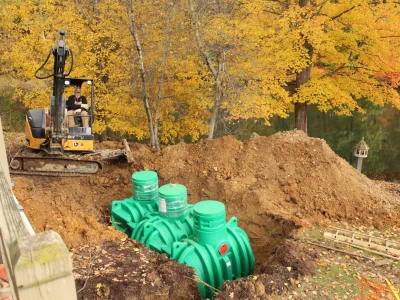
A septic system is easy to ignore when it is doing its job. Toilets flush, sinks drain, showers run, and life moves on. That invisibility is exactly why so many homeowners make expensive decisions without realizing it. By the time a septic problem becomes obvious, the fix is rarely small. It might show up as soggy ground over the drain field, odors near the tank, plumbing backups, or wastewater surfacing where it should never be. At that point, what could have been routine septic services turns into emergency work, property disruption, and a repair bill that feels out of proportion to the warning signs that came before.
Most septic failures do not happen overnight. They build gradually through skipped maintenance, bad assumptions, and well-meaning but harmful habits inside the home. I have seen systems fail because a family thought “flushable” wipes were safe, because a homeowner planted trees too close to the lines, or because someone assumed pumping could wait another year. None of those decisions felt dramatic at the time. Together, they set the stage for a much bigger problem.
The good news is that septic systems are fairly predictable when they are treated correctly. They reward consistency. Homeowners who understand the common mistakes tend to spend less, face fewer emergencies, and extend the working life of the entire system.
Treating the septic tank like it never needs attention
One of the most common mistakes is assuming the tank will take care of itself. Every septic tank accumulates solids. That is not a defect. It is how the system works. Wastewater enters the tank, solids settle to the bottom as sludge, grease and lighter material float to the top as scum, and partially clarified effluent moves onward to the drain field. Over time, sludge and scum build up. If the tank is not pumped before those layers become excessive, solids can escape into the drain field and start clogging the soil.
That matters because a neglected tank is usually cheaper to pump than a damaged drain field is to rehabilitate or replace. Pumping intervals vary. A small household with conservative water use may go longer between visits than a large family with heavy laundry use and frequent guests. Tank size also matters. In practice, many homes benefit from inspection every one to three years and pumping somewhere around every three to five years, though there are plenty of exceptions.
The mistake is not just skipping pumping. It is skipping inspection. A tank can have sound levels but still show problems with baffles, tees, filters, lids, or signs of infiltration. I have seen homeowners proudly report that they “just had it pumped,” only to find that the outlet filter was clogged or the tank cover was deteriorating. Pumping and inspecting serve different purposes. Good septic services https://augustlcxy948.yousher.com/top-benefits-of-preventive-septic-services-for-your-home should address both.
Hiring the cheapest company without asking the right questions
Price matters. Nobody wants to overpay for routine maintenance. Still, septic work is one of those trades where the lowest number on paper can hide an incomplete job, poor records, or advice that creates future risk.
Homeowners often call three companies, hear three different recommendations, and default to the cheapest one because the service sounds identical. It is not always identical. One company may include a full inspection, tank measurements, filter cleaning, and documentation of sludge depth. Another may arrive, remove some liquid, and leave with very little explanation. Those two visits can be priced differently for a reason.
A reliable provider of septic services should be willing to explain what they are doing, what they found, and what your maintenance timeline should look like based on your actual use. They should also know local codes, permit requirements, and the difference between a routine pumping visit and symptoms that point to drain field distress.
This is where judgment matters. A lower price from a reputable, efficient contractor can be a good deal. A low price from a crew that cannot tell you the size of your tank, whether the baffles are intact, or where your system components are located is another story. Septic work is not glamorous, but it is technical. You want skill, not guesswork.
Flushing products that promise more than they deliver
Packaging has caused more septic trouble than many homeowners realize. “Flushable” does not mean safe for septic systems. It often means the product can clear the toilet trap under ideal conditions. That is not the same as breaking down readily in a septic tank or moving harmlessly through the system.
Wipes are the best-known offender, but they are hardly alone. Paper towels, feminine hygiene products, dental floss, cotton swabs, cat litter, and cigarette butts all show up in tanks where they should not be. Even if these items do not cause an immediate blockage, they contribute to solid buildup and can interfere with pumping and flow patterns.
The same problem appears under the kitchen sink. Grease may leave the pan as a liquid, but it cools, congeals, and adds to the scum layer in the tank. Coffee grounds, eggshells, and fibrous food scraps belong in the trash or compost, not down the drain. Garbage disposals add another layer of stress because they increase the solids entering the tank. A home with heavy disposal use may need more frequent pumping than one without it.
Homeowners sometimes assume the tank acts like a magic digester that can neutralize anything organic. It does not. Septic systems are biological, but they are not limitless. Routine household wastewater is one thing. A steady stream of hard-to-break-down material is another.
Believing additives replace maintenance
Every few years a new bottle appears on the market promising to boost bacterial action, dissolve sludge, or restore a sluggish system. The appeal is obvious. Pour in a product, skip the service call, and save money. In practice, that is not how well-run systems are maintained.
A healthy septic tank already contains the bacteria it needs from normal household waste. Most additives are unnecessary, and some can be counterproductive. The biggest risk is not always direct damage from the product itself. It is the false confidence it creates. Homeowners delay pumping, ignore warning signs, and assume the treatment is “working” because the plumbing has not backed up yet.
There are niche cases where a professional may recommend a specific product for a specific issue, but that is very different from using additives as a substitute for inspection and pumping. If a tank is full of solids, no bottle is going to remove them. If the drain field is overloaded, no enzyme package is going to restore soil structure that has already become clogged.
A simple rule works well here. If a product sounds like it can replace sound maintenance, it probably cannot.
Ignoring water use inside the house
Septic systems are designed around both waste volume and time. Wastewater needs enough retention time in the tank for solids to settle before effluent reaches the drain field. When too much water enters too quickly, that process gets disrupted. The tank churns, solids move forward, and the drain field receives more water than it can absorb comfortably.
This is one of the least appreciated causes of premature septic trouble. A family may be careful about what they flush and still overwork the system through sheer water volume. Long showers, back-to-back laundry loads, leaking toilets, dripping faucets, and high-use weekends can all stack up.
The trouble is not always obvious because the stress is cumulative. One overloaded day may not trigger a backup. Repeated overloads shorten the recovery time the system needs and keep the drain field wetter than it should be. Wet soil has less capacity to accept additional effluent, especially after storms or during colder months.
There is no need to live in fear of using water, but pacing matters. Spreading laundry across the week instead of cramming it into Saturday afternoon is easier on the system. Fixing a running toilet can save hundreds of gallons a day. Low-flow fixtures can help when they are chosen sensibly and maintained properly.
The systems that last tend to belong to households that treat water volume as part of septic care, not just part of the utility bill.
Forgetting that the drain field is part of the system
Many homeowners know where the tank is, at least roughly. Far fewer understand how vulnerable the drain field can be. Once solids or compaction compromise that area, repairs become more difficult and more expensive. Yet the drain field often gets treated like ordinary yard space.
Driving over it is a classic mistake. So is parking heavy equipment there during landscaping or home projects. Soil compaction reduces pore space, which reduces the field’s ability to disperse wastewater. The damage may not show up immediately, but it changes the soil’s function.
Planting is another area where good intentions cause trouble. Shallow-rooted grass is usually fine. Trees and aggressive shrubs are not. Roots seek moisture and nutrients, and septic lines offer both. Some species are notorious for intrusion. I have seen drain lines filled with roots from plantings that looked harmless when they went in because the saplings were small and decorative. Five or eight years later, the repair required excavation and pipe replacement.
Surface drainage matters too. Roof downspouts, sump pump discharge, and grading that directs runoff toward the field can saturate the area unnecessarily. A drain field works best when it is dispersing wastewater, not fighting stormwater at the same time.
When homeowners think of septic services only as tank pumping, they miss the larger picture. The yard above the system is part of the maintenance equation.
Waiting for a sewage smell or backup before calling for help
People often postpone service because everything “seems fine.” That phrase is one of the costliest in septic ownership. By the time there is odor indoors, standing water outside, or a backup at the lowest drain, the issue has usually moved beyond routine maintenance.
Septic symptoms also tend to arrive at inconvenient times. Holiday gatherings, heavy rain periods, and house sale inspections are all moments when hidden problems suddenly become impossible to ignore. Emergency service is useful when you need it, but it is not how you want to manage the system.
Small signs deserve attention. Slow drains throughout the house, gurgling plumbing, unusually lush grass over part of the yard, damp spots near the field, or recurring toilet issues with no obvious fixture problem can all point toward septic trouble. Not every slow drain means the tank is full. Sometimes it is just a local clog. The key is pattern recognition. If multiple fixtures are involved or outside conditions are changing, the septic system belongs on the shortlist of possible causes.
A homeowner does not need to diagnose the entire issue personally. They do need to avoid the reflex of waiting until the problem becomes dramatic.
Covering lids, ports, and access points without planning ahead
Landscaping often creates avoidable headaches. Fresh sod, decorative gravel, patios, raised beds, and hardscaping features get installed with no thought to future access. Then pumping day arrives and nobody can locate the tank lids without probing, digging, or pulling apart work that looked great when it was finished.
This mistake is more common with newer owners who inherited a system and never received a proper layout. It also happens after renovations. A contractor regrades the yard, adds a walkway, or expands the driveway, and suddenly access is restricted. That can increase labor costs and, in some cases, create code or safety issues.
Good septic services become easier and cheaper when the tank location, lid depth, and field layout are known in advance. Risers can be a smart investment for buried lids because they bring access closer to the surface and reduce the need for repeated excavation. They are not glamorous, but they make routine maintenance far more straightforward.
A little planning here pays off for the life of the system. Future you does not want to guess where the tank is with a shovel in one hand and a service window narrowing by the hour.
Assuming every cleaner is harmless because it is sold in stores
Household cleaning products do not need to be handled with paranoia, but quantity and concentration matter. A normal amount of everyday detergent or cleaner is usually not enough to wreck the biology of a septic tank. Problems arise when harsh chemicals are dumped in bulk or used repeatedly without regard to system effects.
Paint thinners, solvents, pesticides, automotive fluids, and large quantities of bleach should not be introduced to the system. The same goes for leftovers from home improvement projects that some people are tempted to pour down a floor drain. Those substances can disrupt the bacterial balance in the tank and may contaminate the soil treatment area.
Even water softener discharge can be a point of discussion in some homes depending on local conditions, system design, and usage patterns. This is one of those areas where broad online advice often becomes sloppy. Some systems tolerate certain inputs without apparent short-term issues, while others show stress faster. That is why local knowledge matters. A contractor familiar with your area’s soils, groundwater, and common system types can offer more practical advice than generic internet claims.
The real mistake is assuming that if something disappears down the drain, it has stopped being your problem.
Failing to keep records
A septic system may be underground, but it should not be undocumented. Many homeowners cannot tell you the age of the tank, the date of the last pumping, whether the outlet filter has ever been cleaned, or even the exact location of the field. That missing information creates confusion for service providers and reduces the quality of decision-making.
A modest file can save money and stress. Keep pumping receipts, inspection notes, permits, diagrams, repair invoices, and any advice specific to your system type. If you sell the home, those records also reassure buyers. A well-documented septic system is easier to trust than one described with a shrug and “we never had a problem.”
Here is a short set of records worth keeping:
- Dates of pumping, inspection, and filter cleaning
- Tank size, system type, and approximate locations of components
- Notes about repairs, alarms, or recurring symptoms
- Contact details for the company that last serviced the system
- Permit or installation paperwork, if available
That list is not administrative busywork. It gives context. When a technician knows the tank was pumped eighteen months ago and the household size recently doubled, the conversation starts in a much more useful place.
Letting a home renovation outgrow the septic system
A septic system is sized for expected use, often tied to bedroom count and local regulations. Homeowners sometimes finish a basement, add a guest suite, convert an office to a bedroom, or expand the household without considering what that means for wastewater load. The plumbing may support the new space, but the septic system may not.
This can create a slow mismatch rather than an immediate failure. The home functions, occupancy rises, and wastewater volume gradually exceeds what the original design handled comfortably. More frequent pumping may help at the margin, but it does not increase drain field capacity.
This issue comes up during sales as well. A house may be marketed one way while the septic permit reflects something smaller. That discrepancy can complicate financing, inspections, or planned renovations. It is worth understanding the approved capacity before making major changes.
The best time to ask whether the septic system matches the home is before the remodel, not after the extra bathroom is already tiled and in use.
Missing the warning signs that a system needs more than pumping
Not every septic problem is solved by pumping the tank. Sometimes a tank that needs pumping also has a cracked baffle, root intrusion, a damaged effluent filter, or evidence that the field is not accepting water properly. Homeowners who insist on “just pump it and go” may miss the chance to catch a larger issue early.
A few red flags justify closer evaluation:
- Sewage odor outdoors near the tank or drain field
- Persistent wet spots or spongy soil above the field
- Slow drainage in multiple fixtures at once
- High-level alarms on advanced or pumped systems
- Wastewater backing up after recent pumping
That last one is especially important. If the tank was just serviced and symptoms return quickly, the tank itself may not be the whole story. Something downstream may be restricted or failing.
Experienced septic services providers know when a symptom points toward a simple maintenance need and when it suggests a system performance issue. Homeowners do not need to become engineers, but they should resist the urge to treat every problem as routine if the signs say otherwise.
Choosing convenience over access to expertise
There is a practical temptation to call whoever can come out the fastest, especially during a backup. Sometimes that is unavoidable. Still, for planned maintenance, it helps to build a relationship with a company before there is an emergency. The provider who knows your property, keeps records, and understands your system history is usually in a better position to give reliable guidance than a stranger seeing the site for the first time during a crisis.
That matters even more for systems beyond the basic gravity setup. Pumps, floats, alarms, aerobic units, sand filters, and proprietary components require a different level of familiarity. The homeowner who chooses septic services based purely on speed or coupon pricing may end up with incomplete care, especially if the technician is not accustomed to that equipment.
A septic system is part plumbing, part biology, part site-specific soil management. It rewards informed service. It punishes shortcuts.
The costly pattern behind most septic mistakes
If there is a single pattern behind most homeowner errors, it is this: people treat the septic system as a hidden appliance instead of a managed piece of infrastructure. Appliances can often be ignored until they fail. Septic systems usually telegraph stress earlier, but only if someone is paying attention to maintenance, water use, yard conditions, and service history.
The homeowners who avoid major trouble are rarely doing anything dramatic. They pump on schedule for their household, hire competent professionals, keep harmful materials out of the system, protect the drain field, and respond to warning signs before they escalate. They understand that septic services are not just a box to check when there is a smell. They are part of owning a house responsibly.
That approach is less exciting than miracle additives and less visible than a kitchen renovation, but it saves real money. More importantly, it prevents the kind of failure that disrupts daily life in the least pleasant ways possible. When wastewater has nowhere to go, every normal routine in the home changes at once. Avoiding that outcome is not complicated. It just requires respecting the system before it forces the issue.
Excavating New Jersey LLC
Address: 406 County Rd 565, Wantage, NJ 07461
Phone number: +19737914284
FAQ About Septic Services
What is the average cost to get a septic tank emptied?
Emptying a septic tank costs between $290 and $560 on average, with most homeowners paying about $420. Prices vary based on tank size.
What is septic service?
Septic service inspects, pumps, cleans, and maintains a septic tank. A septic tank is a large, underground container that collects and treats wastewater from your home. Over time, sludge, scum, and other debris, like hair and solids, can build up in your tank and clog your drain field.
How often should you have a septic tank serviced?
A standard septic tank should be inspected every 1 to 3 years and pumped every 3 to 5 years. However, the exact schedule depends on your tank's capacity, household size, and daily water usage.