Septic Services and Drain Field Care: Essential Tips

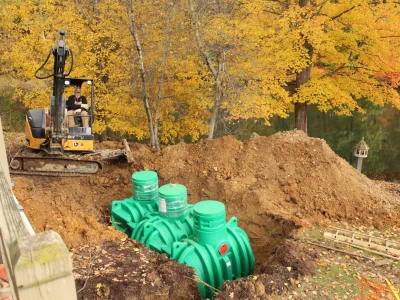

A septic system does its work quietly, out of sight, and that is exactly why many property owners ignore it until something goes wrong. By the time a yard turns soggy, a toilet starts backing up, or foul odors creep across the lawn, the repair is rarely small. In my experience, the most expensive septic jobs often begin with a homeowner saying some version of, "It seemed fine until last week."
That gap between apparently fine and clearly failing is where proper maintenance matters. Septic services are not just emergency pumping or a last-minute repair after sewage appears where it should not. They include routine inspection, sludge and scum measurement, pump-outs timed to actual use, baffle checks, distribution box evaluation, and careful attention to the drain field, which is the part of the system most likely to be damaged by neglect, overloading, or simple misunderstanding.
A well-built and properly used septic system can last for decades. A badly treated one can develop problems in just a few years. The difference usually comes down to what goes into it, how much water the household sends through it, and how the land above and around the drain field is managed.
What the drain field actually does
People tend to focus on the tank because it is the visible part of septic maintenance. A truck arrives, the lid comes off, and waste gets pumped out. But the tank is only one stage in the process. The drain field, sometimes called the leach field or absorption field, is where clarified wastewater leaves the tank and filters through soil. That soil provides final treatment by removing contaminants and allowing water to disperse gradually.
When the drain field is healthy, you almost never think about it. Wastewater moves out evenly, the soil remains aerated enough to do its job, and the yard above looks normal. When it starts to fail, the symptoms can be subtle at first. Drains may empty slowly after heavy laundry days. The grass over part of the field may turn unusually green. You may notice a sewage smell after rain, or soft ground where there should not be any.
Drain fields fail for a handful of recurring reasons. They get overloaded with too much water. They clog because solids left the tank and reached the field. They become compacted by vehicles or heavy equipment. Tree roots invade lines. Soil becomes saturated because roof runoff or surface water is being directed onto the area. In colder climates, shallow lines can also be affected by freezing conditions, especially when the system is lightly used and snow cover is inconsistent.
Why pumping the tank is only part of the job
One of the most common misconceptions is that septic care begins and ends with pumping every few years. Pumping matters, but timing and context matter just as much. Some homes need service every two to three years. Others can go longer. The right interval depends on tank size, number of occupants, water use habits, garbage disposal use, and whether anyone has been flushing things that do not belong in a septic system.
A proper septic service visit should do more than remove waste. The technician should assess sludge and scum levels, look at the condition of inlet and outlet baffles, note signs of backflow, and consider how the field is accepting effluent. If a tank is pumped but no one checks whether solids are escaping into the drain field, the homeowner may get a clean tank and still miss the bigger problem.
I have seen systems that were pumped on schedule yet still headed toward drain field failure because a broken outlet baffle was allowing suspended solids to move downstream. Once those solids reach the field lines and surrounding soil, recovery becomes difficult and expensive. In some cases, the damage can be slowed with professional measures, but often the repair moves beyond maintenance into partial replacement or full system rehabilitation.
The household habits that shorten septic life
The septic system does not care whether a product is convenient, heavily advertised, or labeled "flushable." It reacts to what physically enters the tank and how quickly water arrives.
Too much water in a short period is hard on a system. If four loads of laundry, two long showers, and a dishwasher cycle all happen in one afternoon, the tank has less time to separate solids from liquids. Effluent can move toward the drain field before settling is complete. Spread that same water use over a day or two, and the system has a much better chance of performing properly.
The same principle applies to what gets flushed or drained. Grease from cooking does not disappear in a septic tank. It cools, congeals, and contributes to scum buildup. Paper towels, wipes, hygiene products, dental floss, cigarette filters, and cat litter create obvious problems, but lesser-known offenders matter too. Even large amounts of bleach, harsh cleaners, and antibacterial products can upset the biological balance in the tank if used excessively. A healthy tank depends on naturally occurring bacteria to break down waste. You do not need additives to create that balance, but you can definitely disrupt it.
Garbage disposals deserve special mention. They are convenient, but they add a substantial solids load to the tank. A household that sends food waste into the septic system should expect more frequent pumping and a higher risk of buildup. For homes with smaller tanks or older drain fields, limiting disposal use can make a meaningful difference.
Warning signs that deserve quick attention
Many drain field problems announce themselves gradually. Owners often get used to the signs and put off service because the toilets are still flushing. That delay can turn a manageable issue into a major one.
Pay attention if you notice any of the following:
- Slow drains throughout the house, especially when several fixtures are used close together.
- Wet, spongy, or unusually green patches over or near the drain field.
- Sewage odors indoors or in the yard.
- Gurgling sounds in plumbing after toilets flush or tubs drain.
- Standing water near the tank, distribution box, or field lines.
One symptom by itself does not confirm a failed drain field. Slow drains could come from an indoor plumbing blockage. A green patch might be tied to irrigation. But when two or three signs show up together, it is time to call for septic services, not guess and hope.
A good technician will separate a house plumbing issue from a septic issue before recommending major work. That distinction matters. I have seen people spend money digging into a yard when the real problem was a blocked main line near the foundation. I have also seen the reverse, where repeated snaking inside the house did nothing because the drain field was saturated and could not accept more water.
Protecting the drain field above ground
Drain field care starts with understanding that the area above it is working land, not spare yard. It may look like lawn, but underneath are pipes or chambers and carefully balanced soil conditions. Anything that compacts the soil, changes drainage patterns, or introduces aggressive roots can interfere with performance.
Driving across a drain field is one of the fastest ways to create trouble. Even a single pass by a heavy truck can compact soil or damage components. Parking boats, trailers, campers, or construction equipment over the field is even worse. During landscaping projects, the area should be clearly marked so crews know it is off-limits.
Planting choices also matter. Turfgrass is usually fine. Deep-rooted trees and shrubs are not. Roots seek moisture, and septic lines are attractive targets. A sapling may look harmless when planted, but five or ten years later it can send roots into distribution lines or surrounding soil zones that need open flow. Removing mature trees near a drain field requires judgment too, because decaying roots can alter soil structure.
Surface water management is another issue homeowners underestimate. Downspouts, sump pump discharges, driveway runoff, and slope changes can all push excess water toward the field. A drain field works best when it receives only the wastewater it was designed to treat. Add stormwater, and the soil can become saturated long before the septic load alone would have caused trouble.
What responsible use looks like day to day
Most septic-friendly habits are simple, but they work best when everyone in the household follows them consistently. One careful homeowner cannot protect a system if guests, tenants, or family members treat every drain like a trash chute.
The core practices are straightforward:
- Space out high-water activities like laundry, bathing, and dishwasher use.
- Flush only human waste and septic-safe toilet paper.
- Keep grease, oil, coffee grounds, and food scraps out of kitchen drains.
- Redirect roof and yard drainage away from the tank and drain field.
- Schedule inspections and pumping based on usage, not guesswork.
None of these steps are glamorous, yet together they protect the two things that matter most, the tank's ability to separate solids and the drain field's ability to absorb effluent. When either one is compromised, the whole system feels it.
The truth about additives and "miracle" fixes
The septic industry has no shortage of products that promise to restore bacteria, dissolve sludge, rejuvenate drain fields, or eliminate the need for pumping. Those claims are appealing because nobody likes paying for excavation or replacement. Still, most of these products either do very little or create unintended consequences.
A normal septic tank already contains the bacteria it needs when people use it regularly. The waste stream itself supplies the biological activity. Adding enzymes or bacteria is rarely necessary in a healthy, occupied home. Some products may temporarily liquefy solids or stir up settled material, but that is not always helpful. If more suspended solids leave the tank and head for the drain field, the field pays the price.
There are legitimate professional treatments in some cases, particularly when a contractor is trying to address specific biomat issues or evaluate whether a stressed field can recover. But those are not off-the-shelf miracle cures, and they are not replacements for diagnosis. If someone claims a bottle can reliably solve ponding, sewage odors, and chronic backups without inspection, skepticism is warranted.
Why inspections matter before a crisis
An inspection gives you something a pump-out alone cannot, a picture of system condition. For homeowners planning to stay put, that means catching problems while they are still small enough to manage. For buyers and sellers, it can prevent ugly surprises after closing.
A thorough septic evaluation usually includes locating components, opening the tank, checking liquid levels, examining baffles and lids, reviewing maintenance history if available, and observing the drain field area for distress. In some cases, the distribution box is opened to confirm even flow. If the home has pumps, alarms, or advanced treatment units, those need their own checks too.
I have seen first-time rural homeowners inherit systems they knew almost nothing about. They were told simply, "It was pumped a while back." That phrase means very little without dates, tank size, occupancy history, and a sense of drain field condition. A modest inspection bill can save thousands if it reveals an undersized tank, damaged riser lid, failing pump float, or field area that is already taking on excess water.
Seasonal challenges and special cases
Not every system operates under the same conditions. Soil type, climate, topography, and occupancy patterns all change the maintenance picture.
Clay-heavy soil drains slowly, so those systems often need especially careful water management. Sandy soil may accept water quickly, but that does not always mean it treats wastewater better. Vacation homes pose another challenge because septic systems do not love dramatic swings between no use and sudden high use. A cabin sitting empty for weeks can then be hit with a full house of guests, long showers, constant laundry, and heavy kitchen use all at once. That load pattern can expose weaknesses fast.
Cold-weather regions come with their own risks. Repeated freeze-thaw cycles, compacted snow from traffic, and low winter usage can all affect shallow lines. In those areas, insulating cover from grass and snow can actually help. Stripping the field bare late in the year or driving over it after frost sets in can create avoidable problems.
Homes with water softeners, basement sump pumps, or hot tubs also need a closer look at discharge habits. Brine backwash, clear water inflow, and large-volume drains can all burden a septic system if they are routed improperly. The details vary by local code and system design, which is one reason generic advice only goes so far.
When repair makes sense, and when replacement is the wiser move
Not every septic problem means the drain field is finished. Sometimes the issue is upstream, a damaged tee, a clogged effluent filter, a distribution box out of level, or excess water use that has saturated the field temporarily. In those cases, targeted repairs and behavior changes may buy many more years of service.
Other times, the signs point to deeper failure. Persistent surfacing effluent, sewage backing into the home after pumping, or a field that quickly floods again despite reduced water use often suggest the soil absorption area is no longer functioning adequately. That can happen from age, compaction, chronic overloading, or solids migration from the tank.
Here is where experience matters. Some owners are told they need a full replacement when a smaller repair might do. Others are sold repeated temporary fixes on a field that is clearly at the end of its life. The right answer depends on the age of the system, local regulations, available space, soil conditions, and cost trade-offs. A thoughtful contractor should explain those factors plainly.
Replacement decisions also involve future use. If a small two-person household is about to become a busy family home, sizing and design choices should reflect that reality. If the property may be expanded, sold, or used seasonally, that should shape the plan as well. Good septic work is not just about restoring function today. It is about matching the system to how the property will actually be used.
Choosing septic services with confidence
The septic field is one of those areas where the cheapest bid often becomes the most expensive path. Good service depends on diagnosis, not just equipment. A reputable provider should be willing to explain what they see, https://zionxczq215.fotosdefrases.com/why-local-septic-services-matter-for-fast-reliable-help what they recommend, and why.
Ask practical questions. How long has it been since the tank was last pumped? Were sludge levels high for the tank size? Are the baffles intact? Is the distribution even? Do they see signs of drain field stress? If a repair is proposed, what specific failure are they addressing? If replacement is mentioned, what evidence supports that recommendation?
Clear communication matters because septic systems are hidden. Homeowners are often vulnerable to guesswork, fear, or overselling simply because they cannot see the components themselves. The best septic services reduce that uncertainty. They document conditions, give realistic timelines, and distinguish between urgent failures and routine maintenance.
A few habits that pay off for decades
Long septic life rarely comes from one big decision. It comes from years of small, sensible choices. Keep records of every pump-out, inspection, and repair. Know where the tank and field are located. Teach everyone in the home what should never be flushed. Watch the yard after heavy rain and during high-use weekends. If drains start acting differently, treat that change as useful information, not an annoyance to ignore.
There is also value in adjusting expectations. A septic system is not the same as municipal sewer service. It asks more of the property owner because treatment happens on site, with finite capacity and real soil limitations. That is not a flaw. It is simply part of owning a home that depends on private wastewater treatment.
Handled well, a septic system is durable, efficient, and surprisingly trouble-free. Neglected, it becomes one of the most disruptive and costly systems on the property. The drain field, especially, rewards respect. Keep solids in the tank where they belong, keep excess water off the field, protect the soil from compaction, and use professional septic services before warning signs become emergencies. Those steps are neither complicated nor dramatic, but they are the difference between routine maintenance and a yard full of avoidable trouble.
Excavating New Jersey LLC
Address: 406 County Rd 565, Wantage, NJ 07461
Phone number: +19737914284
FAQ About Septic Services
What is the average cost to get a septic tank emptied?
Emptying a septic tank costs between $290 and $560 on average, with most homeowners paying about $420. Prices vary based on tank size.
What is septic service?
Septic service inspects, pumps, cleans, and maintains a septic tank. A septic tank is a large, underground container that collects and treats wastewater from your home. Over time, sludge, scum, and other debris, like hair and solids, can build up in your tank and clog your drain field.
How often should you have a septic tank serviced?
A standard septic tank should be inspected every 1 to 3 years and pumped every 3 to 5 years. However, the exact schedule depends on your tank's capacity, household size, and daily water usage.